

Choosing the right Auto Belt Tensioner is crucial for vehicle performance. A study from the Automotive Maintenance and Repair Association highlights that a malfunctioning tensioner can lead to a drop in engine efficiency by over 15%. This performance decline can also increase fuel consumption, which affects both the environment and the wallet of car owners.
Auto Belt Tensioners maintain the optimal tension of the belt. If the tensioner fails, it can lead to belt slippage or breakage. This situation can cause severe engine damage. According to industry reports, replacing a damaged tensioner can save drivers up to $1,000 in engine repair costs.
Investing in a quality Auto Belt Tensioner is not just about cost; it’s about safety. A reliable tensioner can enhance vehicle safety and longevity. Yet, many drivers overlook this component. The importance of precise fit and quality cannot be understated. Understanding these factors leads to more informed vehicle decisions.
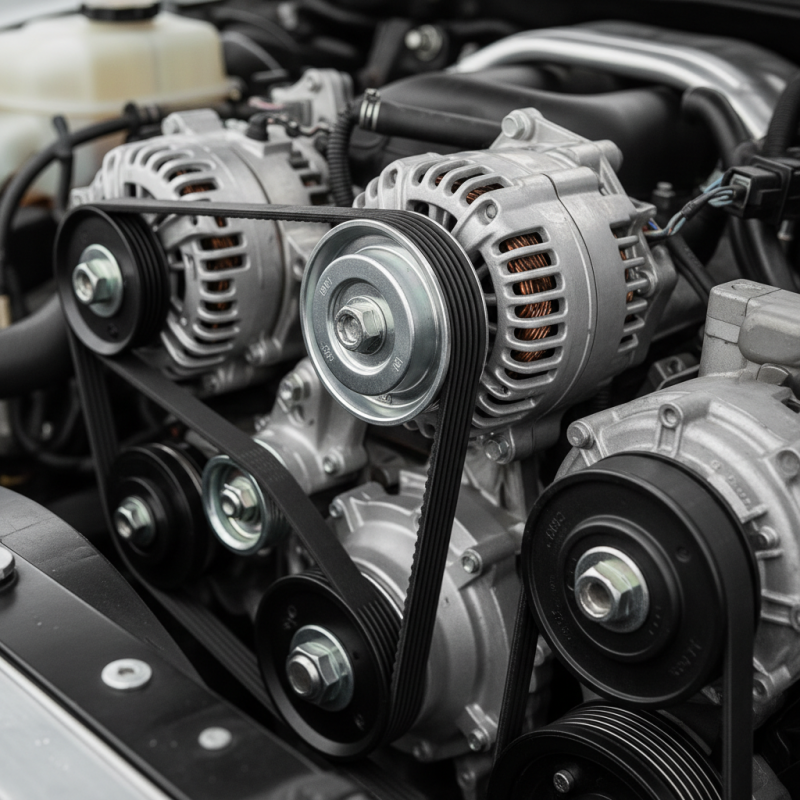
Auto belt tensioners play a crucial role in the functioning of a vehicle’s engine system. These devices maintain optimal tension on the serpentine belt, ensuring it operates smoothly. When the tension is correct, the belt drives multiple components effectively, like the alternator, power steering pump, and air conditioning compressor. A well-functioning tensioner can prolong the life of the belt and reduce wear on engine parts.
However, belt tensioners can wear out over time. Signs of malfunction include squeaking noises or vibrations. If the tensioner fails, it can lead to belt slippage or breakage. This can create serious issues for the engine. It's essential to recognize when maintenance is necessary. Regular inspections can help to detect issues. Yet, many drivers overlook this. They may not notice the early warning signs until it’s too late.
Choosing the right auto belt tensioner means understanding the specific needs of your vehicle. Knowledge of how tensioners function can guide your selection process. Mechanics or industry experts often recommend considering the tensioner’s design, materials, and compatibility with your engine. Make sure you consult reliable sources to inform your decision.

When it comes to maintaining a vehicle, choosing the right belt tensioner is crucial. Two main types of belt tensioners exist: fixed and automatic. Understanding their differences can enhance vehicle performance.
Fixed belt tensioners are simple, using a spring to maintain tension. They are reliable and easy to install. However, they lack adjustment features. This can lead to uneven wear on belts. Reports indicate that more than 30% of fixed tensioners fail prematurely due to improper tension. Regular inspections can mitigate this issue.
In contrast, automatic belt tensioners constantly adjust to changing conditions. They use a hydraulic or spring-loaded mechanism. These devices ensure optimal tension at all times. Research shows that vehicles equipped with automatic tensioners experience 25% less belt wear. This leads to improved engine efficiency and a reduction in maintenance costs. However, they can be more complex and may require professional installation.
Choosing between fixed and automatic options requires careful consideration. Each has its pros and cons. It’s vital to assess your vehicle's needs and maintenance habits. Engaging with a professional can provide valuable insights tailored to your situation.
The belt tensioner plays a crucial role in the proper functioning of your vehicle's engine. Recognizing signs of wear is vital for maintaining your car's performance. One of the most common indicators is a squeaking noise from the engine bay. This sound often signifies that the tensioner is failing to keep the serpentine belt properly tensioned. If you hear unusual sounds, it may be time for an inspection.
Another sign is visible wear or damage to the tensioner itself. Cracks or fraying can indicate it's time for replacement. Additionally, if your dashboard shows warning lights related to the engine or accessory systems, it may connect to a failing tensioner. Test driving your vehicle to check for vibrations while accelerating can also provide insights. Any noticeable changes can reflect underlying tension issues.
Ignoring these signs can lead to more serious problems. A failing tensioner can affect multiple engine components. This can lead to larger repair costs down the road. Regular maintenance and awareness of these symptoms ensure your vehicle runs smoothly. Trust your instincts—if something feels off, take action.
When selecting a belt tensioner for your vehicle model, precision is crucial. Each vehicle has specific requirements based on its engine type and belt system. Using the wrong tensioner can lead to premature wear and performance issues. It might seem convenient to choose a generic part, but this often comes with hidden costs.
Tip: Always check your vehicle manufacturer's specifications. This information is typically found in your owner's manual. It can save you significant hassle and expense in the long run. The right tensioner ensures that your belt performs optimally, reducing the chance of unexpected breakdowns.
Researching your vehicle model will guide you to the best option. Different models may require different tensioner configurations or materials. Sometimes, tensioners look similar but function differently. This can make choosing the right one challenging.
Tip: Consult with a mechanic or a trusted auto part store if in doubt. Their expertise can help you make an informed decision, ensuring compatibility and longevity. Investing time in selecting the right tensioner pays off in reliability and safety.
Selecting the right auto belt tensioner is crucial for optimal vehicle performance. A properly chosen tensioner ensures that your engine’s belts maintain the correct tension. This helps prevent issues like belt slippage or wear. Over time, a loose or excessively tight belt can lead to severe engine damage. Choosing the right tensioner can save you from costly repairs down the road.
When the tensioner is correct, it enhances overall engine efficiency. This can lead to better fuel economy. A well-functioning tensioner improves the functioning of critical components such as the alternator and water pump. However, selecting the wrong one can lead to vibrations and noise. Keep in mind that sometimes, the perfect option may not actually be available, and you might need to seek expert advice.
Your vehicle operates best with a correctly installed tensioner. It provides the necessary support for your engine’s belt system. If neglected, you might face unexpected breakdowns. The importance of periodic inspection cannot be stressed enough. It's essential to revisit your choices and ensure they align with your vehicle’s needs.