What is a Ductless Heat Pump and How Does it Work?
A Ductless Heat Pump offers an efficient solution for heating and cooling spaces without the need for extensive ductwork. These systems consist of an indoor unit and an outdoor compressor, working together to maintain comfortable temperatures. The compact design of a ductless heat pump allows for flexibility in placement and installation.
Imagine transforming a chilly room into a warm retreat with just a few clicks of a remote. That's the magic of a ductless heat pump. It utilizes advanced technology to extract heat from the outside air, even in colder climates. This unique process raises the temperature before distributing it indoors, ensuring a cozy environment.
However, users must consider initial costs and installation challenges. Ductless systems are not always the perfect fit for every home. Some may find that the aesthetics of the indoor units don’t match their decor. It's essential to weigh the pros and cons carefully before committing to a ductless heat pump installation.

What is a Ductless Heat Pump?
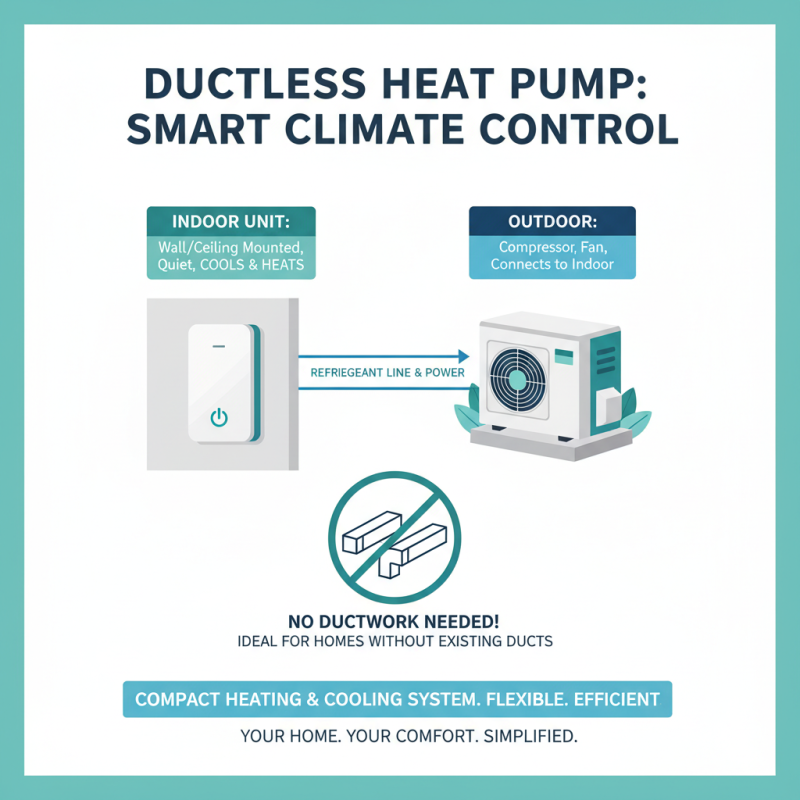
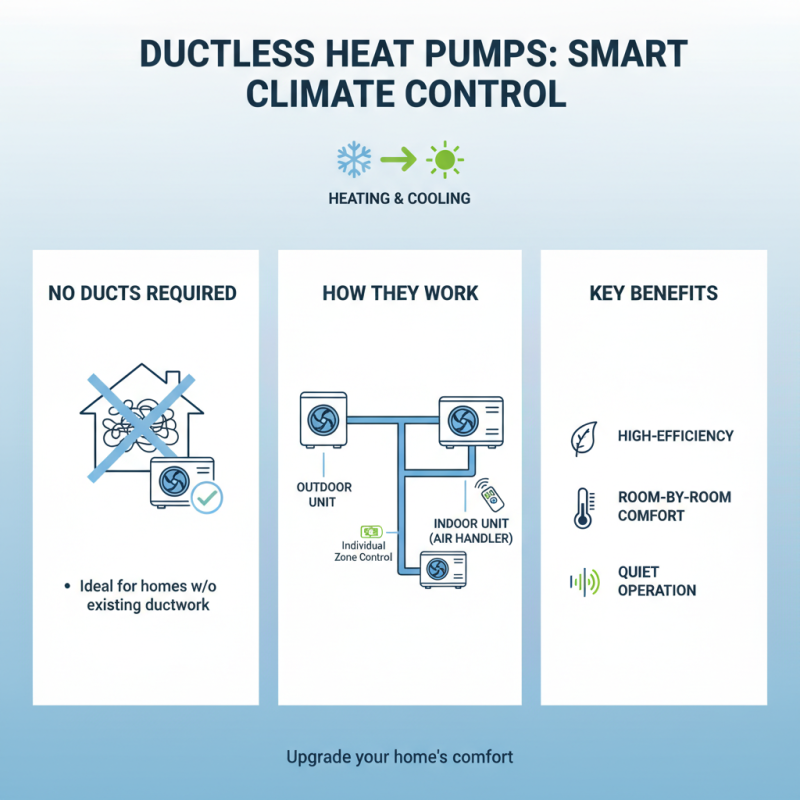
A ductless heat pump is a compact heating and cooling system. It operates without the need for ductwork, making it ideal for homes without existing ducts. These systems consist of two main components: an indoor unit and an outdoor unit. The indoor unit is sleek and can be mounted on walls or ceilings.
The process is simple yet effective. In winter, the outdoor unit absorbs heat from the outside air. This heat is then transferred to the indoor unit, warming your living space. In summer, the cycle reverses. The indoor unit pulls out warm air and sends it outside, leaving a refreshing environment indoors. The system is efficient, often reducing energy bills compared to traditional heating methods.
However, installation can be tricky. If not done properly, it might not perform well. Some homeowners worry about aesthetics, as the indoor units may not blend with all decor styles. Maintenance is also key; ignoring it can lead to reduced efficiency. Small issues can escalate if overlooked. A ductless heat pump can be a great choice, but careful consideration is needed for optimal performance.
Key Components of Ductless Heat Pumps Explained
Ductless heat pumps are an efficient solution for climate control, especially in homes without ductwork. They consist of several key components that work in harmony to provide heating and cooling. The primary elements include an outdoor compressor unit, one or more indoor air-handling units, and a refrigerant line connecting them.
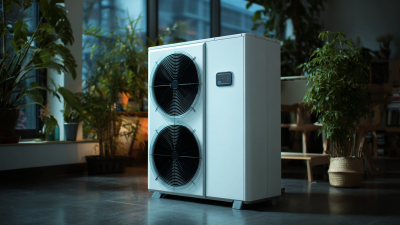
The outdoor unit is where the heat exchange occurs. It extracts heat from the outside air during winter or releases heat during summer. The indoor units distribute the conditioned air into living areas. Each indoor unit can be controlled separately, allowing for personalized comfort in different rooms. According to the U.S. Department of Energy, ductless systems can be 30% more efficient than traditional systems.
Tips: Regular maintenance can enhance efficiency. Clean the filters every month to maintain airflow. This simple step can prevent dust from accumulating in the system.
Another aspect to consider is the placement of the indoor units. Ineffective positioning can lead to hot or cold spots in your home. Ideally, units should be placed high on walls for optimal air circulation. Some users struggle with this initially, finding that placement can impact their comfort levels significantly.
Overall, understanding the components of ductless heat pumps helps in making informed decisions. Knowledge can lead to better performance and more savings.
How Ductless Heat Pumps Operate: The Science Behind the Technology
Ductless heat pumps, also known as mini-split systems, have gained traction in recent years. They operate by transferring heat instead of generating it. The system has two main components: an outdoor unit and one or more indoor units. This design allows for flexibility in installation and provides targeted heating or cooling where needed.
The science behind ductless technology is intriguing. According to the U.S. Department of Energy, these systems can achieve efficiencies above 30 SEER (Seasonal Energy Efficiency Ratio). This is considerably higher than traditional HVAC systems. By using refrigerant lines, heat is absorbed from the outside air, even in colder temperatures, and then transferred indoors. However, efficiency can drop if maintenance is overlooked, leading to potential performance issues.
Ductless heat pumps also utilize variable-speed compressors, allowing them to adjust their output based on demand. This can enhance comfort levels. However, treating each room's temperature can lead to challenges in balancing the system. Additionally, improper installation may hinder efficiency. Data indicates that nearly 60% of system performance issues stem from installation errors. It's essential to approach ductless heat pumps with a critical eye, ensuring both proper installation and ongoing maintenance for optimal performance.
What is a Ductless Heat Pump and How Does it Work?
| Feature |
Description |
| Definition |
A ductless heat pump is a heating and cooling system that does not require ductwork to operate, making it ideal for homes without existing ducts. |
| Components |
Typically consists of an outdoor unit and one or more indoor units, which are connected by refrigerant lines. |
| Operating Principle |
Works by transferring heat between the inside and outside of a building using refrigerant, drawing heat from outside air to warm indoor spaces in winter and vice versa in summer. |
| Energy Efficiency |
Highly efficient, often achieving a higher Seasonal Energy Efficiency Ratio (SEER) and Heating Seasonal Performance Factor (HSPF) than traditional systems. |
| Installation |
Relatively easy to install and can be done without extensive renovations, making it a cost-effective option for many homeowners. |
| Zone Control |
Allows for individualized temperature control in different rooms, enhancing comfort and energy savings. |
| Maintenance |
Requires regular maintenance such as cleaning the filters and checking the refrigerant levels to ensure optimal performance. |
Energy Efficiency Ratings and Benefits of Ductless Heat Pumps
Ductless heat pumps (DHPs) have gained popularity due to their impressive
energy efficiency. They often have
Seasonal Energy Efficiency Ratios (SEER) ranging from 15 to 30.
This means they can produce up to three times more energy than they consume. According to the
U.S. Department of Energy, homes equipped with ductless systems can save
up to 30% on heating and cooling bills compared to
traditional systems.
Another key benefit of ductless heat pumps is their
flexibility. They can be installed in various zones
across a home, ensuring even temperature distribution. According to a report by the
Air-Conditioning, Heating, and Refrigeration Institute, these systems can reduce carbon footprints
significantly. However, proper installation is critical.
Poorly placed units may lead to inefficiencies.
While ductless systems may not be the perfect choice for every home, they offer
substantial advantages when matched to the right environment.
Homeowners should evaluate their specific needs to determine if the benefits outweigh the potential downsides.
Not every situation is ideal, and some may find traditional systems more suitable.
Common Applications and Limitations of Ductless Heat Pumps
Ductless heat pumps have gained popularity in various settings. They are highly efficient for heating and cooling spaces. These systems work without ductwork, making them ideal for homes without existing ducts. They consist of an outside unit and one or more inside units. This design allows for individual temperature control in different rooms.
Common applications include residential spaces, small offices, and older homes. They are beneficial for improving air quality. However, some limitations exist. Ductless systems may not perform well in extreme temperatures. Installation can be costly, especially for multiple indoor units. Additionally, noise levels from outdoor units can be a concern.
These systems may require regular maintenance to ensure efficiency. Not all homes may benefit from their installation, prompting homeowners to consider their specific needs. Inconsistent performance during freezing weather is also an issue for some. While ductless heat pumps are versatile, careful evaluation of environment and needs is essential.