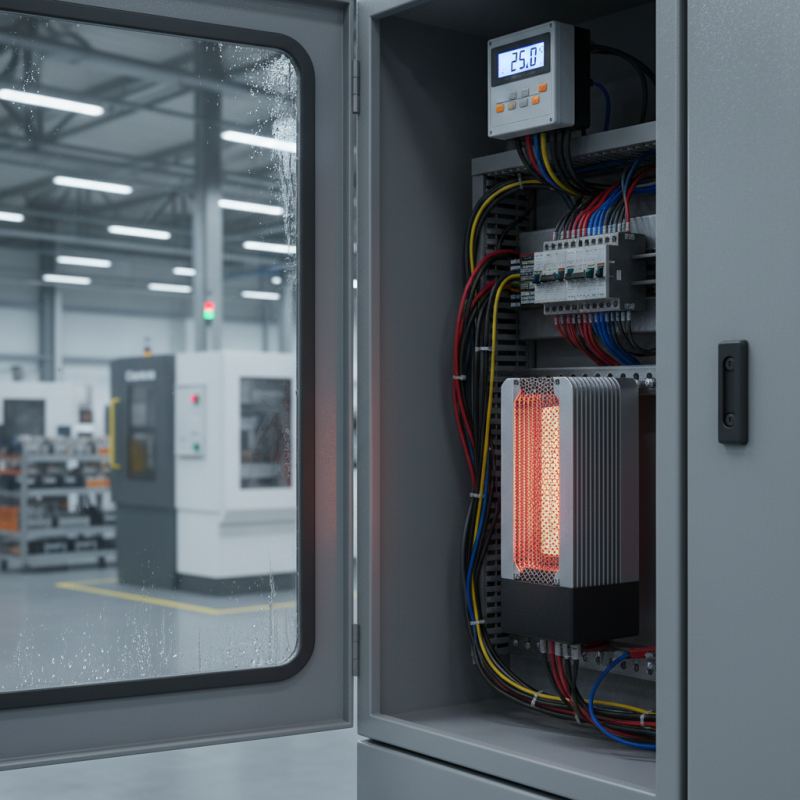
What is an Enclosure Heater and How Does it Work?
An Enclosure Heater is essential for protecting sensitive equipment. These heaters create a controlled environment, preventing damage from extreme temperatures. By generating warmth, they ensure that components function reliably.
In many industries, temperature fluctuations can lead to malfunction. Enclosure Heaters help maintain consistent conditions. They work by utilizing various technologies, such as convection or radiation. An effective heater can safeguard electronics in harsh climates.
However, not all Enclosure Heaters are perfect. Some may consume more energy than expected. Thus, careful selection is crucial. Understanding your specific needs is essential for choosing the right model. This is where reflection on actual requirements becomes important.
What is an Enclosure Heater?
An enclosure heater is a specialized device designed to maintain a consistent temperature in an enclosed space. These units are commonly used in industrial settings, laboratories, and even home environments. They generate heat to prevent freezing and protect sensitive equipment. This helps maintain the functionality of machinery and tools, especially in harsh weather conditions.
The working mechanism of an enclosure heater is relatively straightforward. It usually comprises a heating element, a thermostat, and a fan. The heating element warms the air inside the enclosure. The fan then circulates this warm air to evenly distribute the heat. However, there are various designs, leading to different heating efficiencies. Sometimes, users may find that the heater doesn't warm the area as expected. Such issues may stem from incorrect thermostat settings or inadequate sizing for the space.
In practice, maintaining the right conditions requires careful planning. Regular checks on how the heater operates can reveal inefficiencies. Sometimes users neglect to consider the insulation of the enclosure. Poor insulation can lead to heat loss, diminishing the heater's effectiveness. A few tweaks, like sealing gaps, might improve performance significantly.
Types of Enclosure Heaters and Their Applications
Enclosure heaters are essential in various industries. They provide heat to sensitive equipment and protect them from extreme cold. Different types of enclosure heaters exist, each serving unique applications.
One common type is the convection heater. It circulates warm air, ensuring even heat distribution. This is ideal for small enclosures. Another option is the infrared heater, which heats objects directly. It’s effective for areas needing precise temperature control.
Tips: When choosing an enclosure heater, consider the size of your space. Think about heat loss. Insulation can enhance efficiency.
Radiant heaters also play a role, especially in larger spaces. These heaters focus on heating specific areas, saving energy. However, they may not be suitable for all environments.
Consider the installation process. It's crucial to ensure safety and proper function. Check for any potential fire hazards, and follow guidelines closely. Regular maintenance is necessary for optimal performance.
What is an Enclosure Heater and How Does it Work? - Types of Enclosure Heaters and Their Applications
| Type of Enclosure Heater | Description | Applications | Advantages |
| Convection Heaters | Utilize convective air currents to distribute heat. | Electrical panels, control cabinets. | Even heat distribution, energy efficient. |
| Radiant Heaters | Emits infrared radiation directly to heat objects. | Warehouses, outdoor areas. | Immediate warmth, minimal heat loss. |
| Fan Heaters | Uses a fan to blow heated air into the enclosure. | HVAC systems, server rooms. | Quick heating, good for large spaces. |
| Oil-Filled Heaters | Contains oil that retains heat for longer periods. | Cold storage facilities, manufacturing areas. | Long-lasting heat, silent operation. |
| Ceramic Heaters | Uses ceramic plates that radiate heat when energized. | Electronics enclosures, industrial machinery. | Compact design, quick heating response. |
How Enclosure Heaters Work: Principles and Mechanisms
Enclosure heaters are essential for maintaining optimal temperature in various settings. They function by using electric or gas elements to generate heat. The warmth circulates within the enclosed space, creating a stable environment. This is particularly useful in preventing equipment failure and protecting sensitive materials.
The principles behind enclosure heaters rely on basic thermodynamic concepts. When the heating element activates, it transfers energy to the air or surfaces inside the enclosure. This process is straightforward, yet not foolproof. Improper sizing can lead to inefficiency. A heater too small won’t maintain warmth, while one too large can waste energy.
Users often overlook the importance of insulation. A well-insulated enclosure retains heat better, reducing energy costs. However, in some cases, excessive insulation might trap moisture. This can lead to corrosion or mold. Finding a balance between insulation and ventilation is crucial. Enclosure heaters thus require thoughtful planning and adjustments for optimal performance.
Benefits of Using Enclosure Heaters in Various Environments
Enclosure heaters play a crucial role in maintaining temperature within various environments. These devices are essential in areas susceptible to extreme temperatures. They help protect sensitive equipment, safeguarding it against damage. For example, outdoor control panels often need heating to prevent moisture build-up that can cause short circuits. Without proper warmth, malfunctioning equipment is a real concern.
Using enclosure heaters in industrial settings offers multiple benefits. They create a stable environment that keeps machinery operational. This stability can reduce maintenance costs significantly. In agricultural settings, these heaters help maintain optimal conditions for plants and livestock. However, it's vital to monitor energy consumption to avoid unexpected bills. Installations must be checked regularly for efficiency, as neglect could lead to failures.
Individuals can sometimes overlook the importance of proper sizing. An inadequately sized heater can lead to inefficient heating. This inefficiency can cause fluctuating temperatures, which may affect performance. Finding the right balance of power and coverage is essential for getting the best outcomes. Each environment is unique and requires thoughtful consideration.
Benefits of Using Enclosure Heaters in Various Environments
This chart illustrates the benefits of using enclosure heaters across different environments such as industrial, commercial, and residential settings. The data represents perceived effectiveness in temperature maintenance, energy efficiency, and user satisfaction.
Installation and Maintenance Tips for Enclosure Heaters
Installing an enclosure heater requires careful planning. Choose the right location that allows for efficient heat distribution. Avoid placing the heater too close to flammable materials. Ensure there is enough airflow around the heater to prevent overheating.
Tips: Remember to use a thermostat for optimal temperature control. This helps maintain a consistent environment inside the enclosure. Regularly check for dust and debris accumulation. Clean the heater periodically to ensure it operates efficiently.
Maintenance is crucial for the longevity of your heater. Inspect the connections and wiring often. Look for signs of wear and tear that may affect performance. If you notice any unusual sounds or heat levels, it may be time to evaluate performance.
Tips: Keep a log of maintenance checks. This can help identify patterns over time. It’s easy to overlook details, but consistent records can assist in troubleshooting. Always prioritize safety during installation and maintenance procedures.