What You Need to Know About Solar Panel Connectors?
Solar Panel Connectors play a crucial role in the efficiency and safety of solar energy systems. These small yet vital components ensure that solar panels are properly connected to the rest of the array. Understanding their functions and types is essential for installers and homeowners alike.
Quality connectors can greatly influence energy efficiency. If they are poorly made or incorrectly installed, they can cause energy loss or even system failure. Attention to detail during selection and installation is necessary to maximize performance.
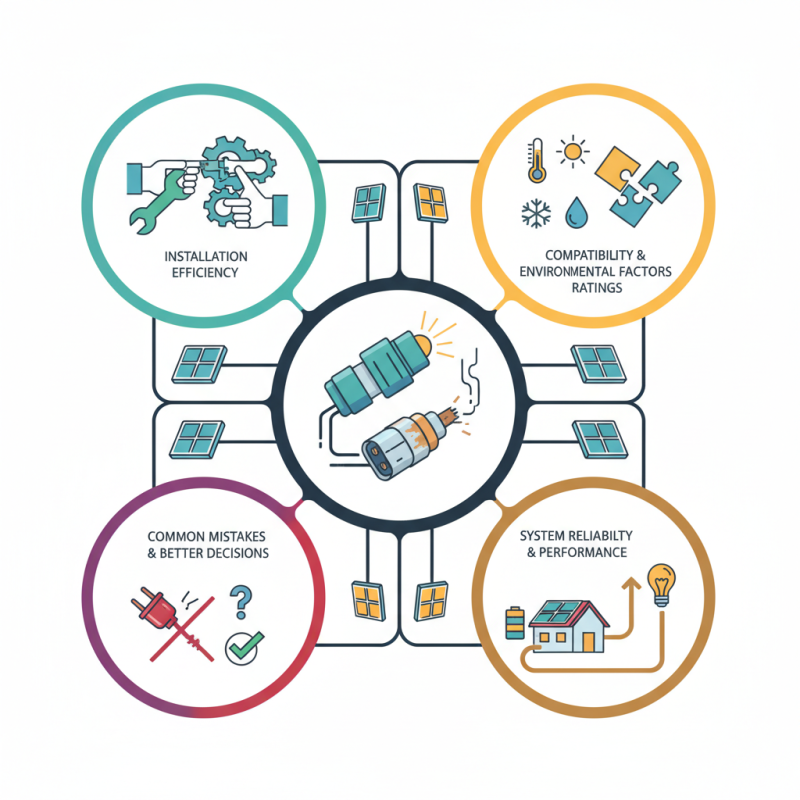
Choosing the right Solar Panel Connectors involves more than just picking a brand. It requires knowledge of ratings, compatibility, and environmental factors. Reflecting on common mistakes can lead to better decisions in the future. Practicing diligence in this aspect can enhance the overall reliability of your solar system.
Understanding Solar Panel Connector Types and Applications
When selecting solar panel connectors, understanding the types is crucial. There are several common types: MC4, Tyco, and Amphenol. Each connector type serves different purposes in solar applications. MC4 connectors are popular for their waterproof features. They ensure a secure and reliable connection in various weather conditions.
In residential setups, the choice of connector can affect performance. For instance, a loose connection may lead to energy loss. It’s essential to check connections regularly. Loose connectors can also lead to overheating. This situation poses risks to system safety.
Tips: Always use connectors from reputable manufacturers. Matching connectors with compatible solar panels improves safety and efficiency. Consider using connector boots for additional weather protection. Regular maintenance can prevent issues down the line. Avoid skipping this step, even if everything appears fine. Observing the details in connector selection and maintenance is vital for long-term success.
What You Need to Know About Solar Panel Connectors
| Connector Type | Description | Application | Current Rating | Voltage Rating |
| MC4 | The most common type of solar connector, weatherproof and reliable. | Used in most solar panel installations. | 30 A | 1000 V DC |
| SolarSnap | Quick-connect design allowing for easy installation and removal. | Ideal for residential and commercial systems. | 20 A | 600 V DC |
| H4 | Compact connectors designed for use with high-power solar panels. | Used when space is limited and high efficiency is required. | 35 A | 1500 V DC |
| Amphenol | Durable connectors with a secure locking mechanism. | Suitable for extreme weather conditions. | 40 A | 1000 V DC |
| Junction Box | Houses wiring connections and protects them from the elements. | Used in a variety of solar panel systems. | Varies by design | Varies by design |
Key Specifications and Ratings of Solar Connectors in the Industry
Solar panel connectors play a crucial role in the efficiency and safety of solar energy systems. Understanding key specifications and ratings can enhance the performance of solar installations. According to recent industry data, connectors must withstand significant environmental stress. They typically require an IP67 rating for dust and water protection, ensuring longevity in harsh conditions.
The current market emphasizes the need for connectors that support high currents. Many solar connectors are rated for at least 30A, suitable for most residential and commercial setups. Additionally, operating temperatures are critical; connectors often need a range of -40°C to 90°C. Such specifications ensure the reliability of solar systems, especially in extreme climates.
It’s essential to note that not all connectors are created equal. Selecting inferior connectors may lead to performance issues and increased risk of failure. Therefore, proper research into materials and manufacturing quality is vital. Inconsistent production standards can lead to inferior products. Inspecting certifications and industry standards helps ensure connectors meet necessary performance criteria. Staying informed can significantly affect long-term solar energy effectiveness.
What You Need to Know About Solar Panel Connectors
This chart illustrates the key specifications and ratings of various types of solar panel connectors used in the industry. The data indicates the voltage rating and current rating of different connector types.
Environmental Impact: Durability and Lifespan of Solar Panel Connectors
The durability of solar panel connectors plays a crucial role in renewable energy systems. These connectors endure harsh environmental conditions. They often face extreme temperatures, moisture, and UV exposure. Consequently, their lifespan can vary significantly based on materials and design.
High-quality connectors typically last over 20 years. However, inferior products may fail within just a few years. The installation process also impacts durability. Poor connections can lead to corrosion. This reduces the system's overall efficiency, causing energy losses.
It's essential to consider long-term effects when choosing connectors. Some connectors might seem cost-effective initially. Yet, their frequent replacement leads to higher long-term costs. Investing in reliable connectors ensures minimal maintenance. This choice supports sustainable energy goals, benefiting both the environment and consumers.
Installation Guidelines for Optimal Performance of Solar Connectors
When installing solar panel connectors, attention to detail is crucial. Connectors serve as the lifeline for energy transfer within the solar system. Using quality connectors ensures optimal efficiency. Check compatibility between connectors and panels to avoid connection issues. Properly matching types can prevent energy losses.
During installation, make sure to follow manufacturer instructions closely. These guidelines often highlight specific torque specifications. Over-tightening can damage connectors, while under-tightening may lead to poor connections. Additionally, the environment plays a role. High temperatures can affect performance. Regular maintenance checks can catch problems early.
Don't overlook the importance of waterproofing. Poorly sealed connectors may allow moisture ingress. This can lead to corrosion, impacting overall performance. Addressing these details might seem tedious, yet they significantly affect the system's reliability. Ignoring them could lead to inefficient energy production and costly repairs. Exploring each step thoroughly will yield better results in the long run.
Safety Standards and Regulatory Compliance for Solar Panel Connectors
When it comes to solar panel connectors, safety standards play a critical role. These connectors must meet various regulations to ensure reliable performance. For instance, the International Electrotechnical Commission (IEC) outlines specifications for solar connectors to guarantee their durability. Ensuring compliance with these standards helps prevent failures that could lead to serious safety hazards.
Furthermore, testing protocols are essential. Connectors should undergo rigorous assessments to verify their performance under different environmental conditions. Frequent exposure to sunlight, moisture, and extreme temperatures can compromise safety. Flaws in connectors can result in electrical failures or fires. Each component should be meticulously checked before installation to maintain long-term reliability.
Understanding the importance of these regulations is vital for installers and manufacturers alike. Compliance is not just about meeting legal requirements; it is also about protecting users and ensuring system efficiency. As the market evolves, the focus on safety will continue to grow. Industry professionals must stay informed and adaptable to maintain the highest standards in solar technology.