What is Plastic Injection Mold and How Does It Work?
Plastic Injection Molds play a pivotal role in modern manufacturing. This process allows for mass production of complex shapes with high precision and efficiency. According to a recent report by MarketsandMarkets, the global market for injection molding is projected to reach $348.73 billion by 2028, showcasing its significant growth.
Industry expert Dr. Emily Chan states, “The future of manufacturing will heavily rely on advanced plastic injection mold technologies.” This highlights the importance of innovation in maintaining competitive advantages. However, challenges exist. Companies must address issues like high initial costs and the need for skilled technicians. These factors often cause delays in project timelines or even result in project failures.
Furthermore, as we advance towards sustainable practices, the Plastic Injection Mold industry must adapt. Innovations in biodegradable materials and energy-efficient processes are essential. Without such changes, the environmental impact could overshadow the benefits of this technology. Embracing these challenges can lead to a more sustainable future, but reflection on current practices is necessary.
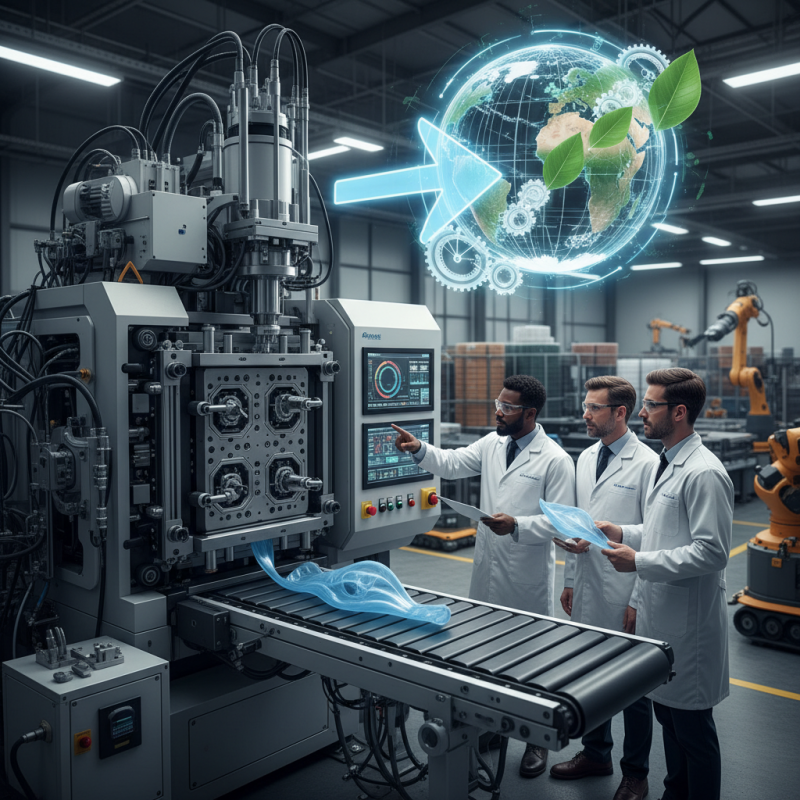
What is Plastic Injection Molding?
Plastic injection molding is a widely used manufacturing process. It involves creating plastic parts by injecting molten material into a mold. The industry is a cornerstone for many sectors, including automotive, consumer electronics, and medical devices. In 2021, the global plastic injection molding market was valued at approximately $225 billion, and it is projected to grow at a compound annual growth rate (CAGR) of around 5.6% through 2028.
The process of injection molding begins with heating plastic pellets until they melt. These pellets can be made from various polymers. Once melted, the material is injected into a mold under high pressure. The mold then cools and solidifies the material into the desired shape. This method is highly efficient, allowing for the mass production of complex shapes. However, it is not without challenges. The initial cost of molds can be high, often exceeding thousands of dollars. Additionally, if the mold is not designed correctly, it can lead to defects and wasted materials.
An interesting aspect of plastic injection molding is its environmental impact. While this process enables rapid production, it also raises concerns about plastic waste. Efforts are being made to use recycled plastics and develop sustainable practices. A report from the International Plastic Waste Coalition highlights that only about 9% of plastic is recycled globally, emphasizing the need for better recycling technologies. The industry must continuously reflect on its practices to minimize its environmental footprint while meeting production demands.
What is Plastic Injection Mold and How Does It Work?
| Dimension | Description |
| Definition | Plastic injection mold is a manufacturing process for producing parts by injecting molten material into a mold. |
| Process Steps | 1. Material Loading
2. Heating
3. Injection
4. Cooling
5. Ejection |
| Materials Used | Commonly used materials include thermoplastics and thermosetting plastics. |
| Applications | Used in automotive parts, consumer goods, medical devices, and packaging. |
| Advantages | High efficiency, precise parts, complex geometries, and low waste. |
| Disadvantages | High initial costs, lengthy lead times for mold production. |
The Components of a Plastic Injection Mold
A plastic injection mold consists of several key components that work together to shape molten plastic into desired forms. The core and cavity are the two main parts. The core creates the internal features, while the cavity shapes the outer dimensions. These elements fit snugly together to form a mold that can produce complex parts.
Cooling channels run through the mold, allowing for efficient temperature regulation. Proper cooling is crucial. It affects cycle times and the quality of the final product. If the cooling is uneven, defects like warping can occur. This aspect often demands careful design and testing.
The runner system is another essential component. It guides molten plastic from the injection unit into the mold. Poor runner design can result in flow issues and uneven filling, wasting material and time. Finally, ejector pins help release the finished product from the mold. These components seem straightforward but need precise alignment and calibration. Any oversight can lead to significant setbacks, making design and testing critical in the process.
The Injection Molding Process Step-by-Step
The injection molding process is essential in manufacturing plastic parts. It starts with the creation of a mold. This mold is made from steel or aluminum. It has two halves that fit together. These halves form the shape of the final product.
Next, plastic pellets are heated until they become molten. This molten plastic is injected into the mold under high pressure. The pressure ensures every detail of the mold is filled. After a cooling period, the mold opens. The solidified part is ejected.
However, this process is not without flaws. Sometimes, air bubbles can form, leading to defects. Not every product comes out perfect. Workers must frequently inspect and adjust molds. Continuous tweaking is essential to maintain quality. Manufacturing can be a challenging cycle. Yet, each step offers opportunities for improvement.
Common Applications of Plastic Injection Molding
Plastic injection molding is a powerful manufacturing technique. It allows for the mass production of various plastic parts. This method is widely used across many industries.
Common applications of plastic injection molding include automotive components. Car manufacturers rely on molded parts for dashboards and panels. It ensures consistency in quality and design. Another significant application is in consumer electronics. Mobile phone cases and components often come from this process.
Medical equipment also benefits from injection molding. Items like syringes and surgical tools are produced this way. However, problems can arise. For instance, defects may occur during the injection process. These issues can lead to costly mistakes. It’s essential to constantly refine techniques. Regular training and updates in technology help minimize errors. Continuous improvement is vital in this competitive field.
Advantages and Disadvantages of Plastic Injection Molding
Plastic injection molding is widely used in manufacturing. However, like any process, it has its pros and cons. One major advantage is efficiency. This method can produce large quantities of parts quickly. The ability to create complex shapes is remarkable. Products can be designed with precision. This contributes to reduced waste in material usage.
On the flip side, there are challenges. The initial setup cost can be high. Designing molds requires expertise and time. If not done right, defects may arise. These defects could lead to financial loss. Also, not all materials are suitable for this process. Understanding material properties is crucial yet often overlooked.
Sometimes, the environmental impact is a concern. While plastic is versatile, its recyclability is in question. This raises ethical considerations. Manufacturers must weigh these factors carefully. Making informed decisions can lead to better processes in the long run.


