Ultimate Tips for Choosing the Right Scaffolding System?
Choosing the right Scaffolding System is crucial for any construction project. The right system ensures safety, efficiency, and cost-effectiveness. It's not simply about picking a brand. Each project has unique needs.
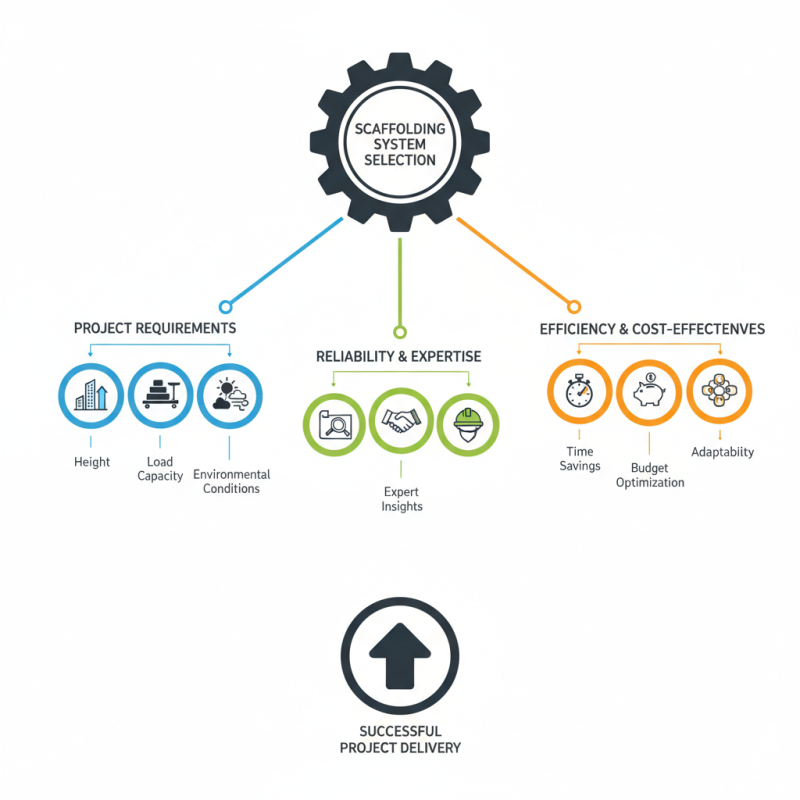
Consider the specific requirements of your site. Factors like height, load capacity, and environmental conditions are vital. A one-size-fits-all approach might lead to poor outcomes. Misjudging the needs could cause delays or safety issues. It's essential to leverage expert insights when making a decision.
Moreover, evaluating the scaffolding system's reliability is critical. Research helps in understanding what works best in various situations. Seeking advice from experienced professionals adds depth to your choice. Every detail matters. A thoughtful approach can significantly impact project success and safety.
Understanding Different Types of Scaffolding Systems Available
When it comes to scaffolding systems, understanding the available types is crucial. There are various options, such as frame scaffolding, suspended scaffolding, and rolling scaffolding. Each type serves distinct purposes and contexts, so knowing their characteristics can guide your choice.
Frame scaffolding is widely used for its stability. It consists of horizontal and vertical frames, making it ideal for construction projects. For tasks requiring elevated access, suspended scaffolding is beneficial. It hangs from a structure, allowing workers to reach higher areas safely. Rolling scaffolds provide mobility. They can be moved easily, making them suitable for smaller projects and indoor work.
When selecting a scaffolding system, consider safety first. Always ensure it meets industry standards. Gathering input from experienced workers can provide valuable insights. Think about the duration of your project. Some scaffolds are more suitable for short-term tasks, while others are designed for long-term use. Evaluate your space availability, too. A cramped area may limit the types of scaffolding you can use effectively. Remember, the right choice balances safety, functionality, and practicality.
Evaluating Load Capacity and Safety Standards for Scaffolding
When evaluating scaffolding systems, load capacity and safety standards are essential. The Occupational Safety and Health Administration (OSHA) sets strict guidelines. Systems must support at least four times the intended load. Understanding these requirements can prevent accidents.
Tips: Always verify the load rating before use. Inspect existing scaffolding for wear and tear. Be cautious of altered or unverified components.
Consider using scaffolding designed with safety features. Models that include guardrails and toe boards significantly reduce the risk of falls. Based on industry reports, about 65% of scaffolding accidents result from falls. Regular training and adherence to safety protocols are vital.
Frequent audits of your scaffolding setup can uncover weak points. Are you using the right materials for the job? Pay attention to the manufacturer’s instructions, as each system will have specific loads it can handle. Consistent monitoring can save lives.
Assessing the Durability and Material Quality of Scaffolding
When choosing a scaffolding system, assessing durability and material quality is crucial. High-quality scaffolding can withstand heavy loads and harsh weather. Steel and aluminum are common materials used for scaffolding systems. Steel is often more durable but heavier, while aluminum is lightweight and easier to transport.
Regular maintenance is vital for ensuring long-lasting performance. Inspecting for rust, corrosion, or structural weaknesses should be routine. It’s easy to overlook these details, but they can greatly impact safety. You might discover cracks or dents that need immediate attention. A proactive approach can prevent costly repairs.
In addition, the design of the scaffolding plays a role in its durability. Modular systems may offer convenience but may not always guarantee strength. Think critically about your construction needs. Consider the weight of materials and the working conditions. This evaluation will help you select the right scaffolding solution. Pay attention to each element to ensure a safe working environment.
Understanding Installation and Dismantling Procedures in Scaffolding
When working with scaffolding, understanding installation and dismantling procedures is crucial. Proper installation ensures safety and stability. Start by inspecting all components before assembly. Check for any wear and tear. Each piece must fit securely. Follow guidelines to avoid common mistakes that could lead to accidents.
Dismantling the scaffolding requires careful attention. Remove components in the reverse order. Ensure no one is beneath the structure during this process. This can prevent injuries from falling materials. Always double-check connections to confirm everything is secure before moving elements.
Professional training can help address potential pitfalls in both installation and dismantling. Mistakes can happen, so continual learning is essential in this field. Adjusting methods based on experience can lead to better practices over time.
Budget Considerations and Cost-Effectiveness in Scaffolding Choices
When selecting a scaffolding system, budget considerations play a crucial role. It's vital to ensure that the chosen system meets safety standards while also being cost-effective. Assessing the total cost of ownership can reveal hidden expenses, such as maintenance and installation fees. Understanding these expenditures helps in making informed decisions.
Many companies underestimate the importance of quality. A cheaper option may seem appealing, but it could lead to issues down the line. Poor quality scaffolding can increase risks and result in higher costs for repairs or accidents. It’s essential to evaluate the lifespan and durability of the materials used. Investing a bit more upfront can save money over time.
Moreover, labor costs are often overlooked in budgeting. Complex scaffolding systems may require specialized labor for installation, raising overall expenses. Planning for these factors can help keep the project within budget. Consider consulting with industry professionals who can provide insights into reliable scaffolding solutions tailored to specific project needs. Understanding these nuances makes a significant difference in financial outcomes.
Ultimate Tips for Choosing the Right Scaffolding System
| Scaffolding Type | Cost per Square Meter | Load Capacity (kg) | Installation Time (Hours) | Durability |
| Aluminum Scaffolding | $30 | 250 | 3 | High |
| Steel Scaffolding | $25 | 400 | 5 | Very High |
| Wooden Scaffolding | $20 | 150 | 4 | Moderate |
| Modular Scaffolding | $35 | 300 | 2 | High |