Top Types of Lift Station Pumps for Global Buyers

Choosing the right Lift Station Pump begins with the wastewater, not the catalogue.

A lift station may receive household sewage, stormwater, industrial flow, or a difficult mixture. Each condition changes the pump decision. Submersible centrifugal pumps suit many municipal stations. They remain compact and operate directly inside the wet well. Dry-pit centrifugal pumps offer easier inspection and maintenance. Grinder pumps reduce solids, but their cutting systems can increase energy use. Positive displacement pumps may perform better when flows are low and pressure requirements are high.

As wastewater engineering authority Dr. George Tchobanoglous has stated, “Reliability is the most important criterion in wastewater system design.” That principle deserves attention. A pump that delivers impressive flow can still fail under ragging, abrasion, poor ventilation, or unstable power. Sometimes, the cheaper option becomes expensive after repeated callouts.

Global buyers should compare duty point, total dynamic head, solids passage, motor efficiency, control panels, and spare-part access. They should also review local voltage, installation depth, corrosion exposure, and service skills. A stainless-steel casing may help in aggressive environments. It does not solve every problem. Incorrect wet-well sizing can still cause clogging and short cycling.

Real projects are rarely perfect. Flow records may be incomplete. Future population estimates may be optimistic. Therefore, buyers should request tested performance data, clear warranty terms, and references from similar installations. The best Lift Station Pump is not always the largest model. It is the one that handles the actual duty, tolerates local conditions, and remains serviceable years later. That sounds simple. It is not.
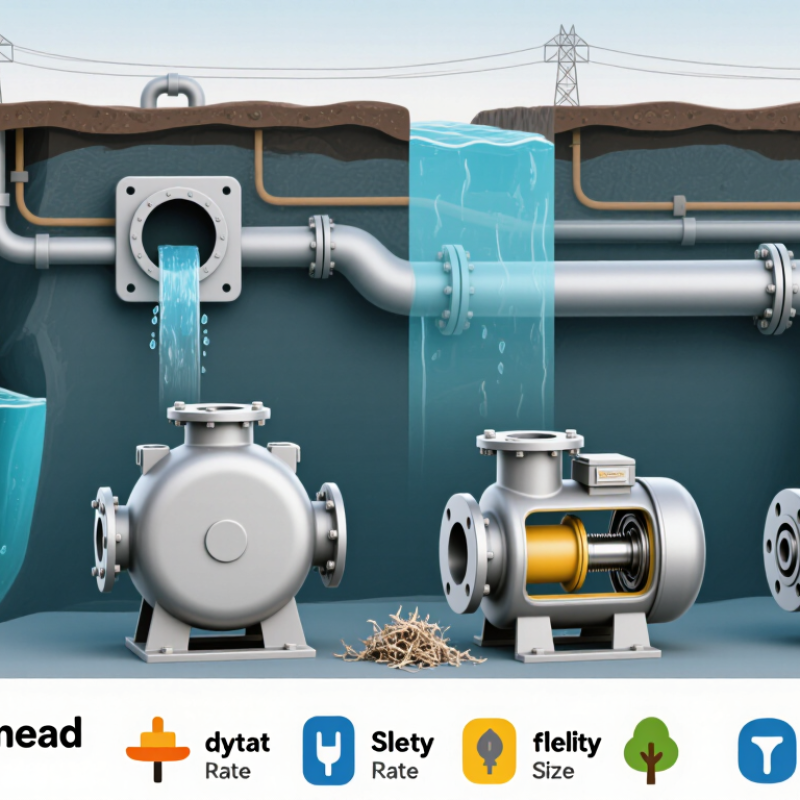
Top Types of Lift Station Pumps for Global Buyers

What Is a Lift Station Pump and How Does It Work?

A lift station pump moves wastewater when gravity cannot carry it to the treatment system. Wastewater flows into a buried or above-ground wet well. As the level rises, a float, pressure sensor, or ultrasonic controller starts the pump. The pump pushes wastewater through a force main toward a higher pipeline or treatment facility. A check valve limits reverse flow, while an isolation valve supports safer servicing.

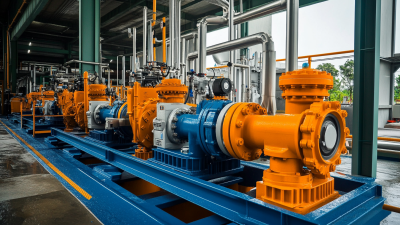
Submersible pumps sit inside the wet well and handle compact installations with limited space. Dry-pit pumps remain outside the wet well, making inspection easier but requiring a separate pump chamber. Grinder pumps cut smaller solids and suit some pressure sewer systems. Non-clog centrifugal pumps are often selected for municipal wastewater because their passages tolerate fibrous materials. Selection depends on flow, total head, solids, wet-well depth, and expected operating hours.

In field inspections, poor pump sizing often causes short cycling, blocked impellers, or excessive energy use. That assumption can fail. A pump with higher capacity is not automatically better. Buyers should check the pump curve against real site conditions, including friction losses and future inflow. Reliable stations also need level alarms, ventilation, standby capacity, and accessible lifting equipment. Controls should record starts, faults, and high-water events. Local electrical rules and wastewater requirements still matter, even when the equipment is imported. A detailed site survey remains more dependable than a quick catalog comparison.

Top Types of Lift Station Pumps for Global Buyers - What Is a Lift Station Pump and How Does It Work?

What is a lift station pump? A lift station pump moves wastewater or stormwater from a lower elevation to a higher elevation when gravity flow is not sufficient. The pump starts when the wet-well level reaches a preset point, conveys the collected liquid through a force main, and stops when the level falls to the designated shut-off point. Actual performance depends on flow, total dynamic head, solids, temperature, power supply, and local design standards.
Pump Type How It Works Typical Flow Range* Typical Head Range* Solids Handling Best Applications Main Advantages Important Limitations
Submersible Non-Clog Centrifugal Pump A sealed motor and impeller operate underwater in the wet well. The rotating impeller converts motor energy into wastewater flow and pressure. Approximately 20–5,000 m³/h
(88–22,000 gpm)
Approximately 5–100 m
(16–328 ft)
Commonly designed for wastewater solids of about 50–100 mm (2–4 in), depending on impeller design. Municipal sewage, commercial wastewater, and general lift stations with variable inflow. Compact installation, quiet operation, good efficiency, and no separate pump room required. Access for maintenance may require lifting equipment; seal or cable damage can allow water into the motor.
Submersible Vortex Pump A recessed impeller creates a vortex that transfers energy to the liquid while reducing direct contact between solids and the impeller. Approximately 10–1,500 m³/h
(44–6,600 gpm)
Approximately 5–60 m
(16–197 ft)
Strong tolerance for fibrous and abrasive solids; actual passage size varies by model. Raw sewage, wastewater containing rags, and applications where clog resistance is important. Low clogging risk and reduced contact between the impeller and wastewater solids. Usually less hydraulically efficient than a properly selected closed-impeller pump and may require more power for the same duty.
Submersible Grinder Pump A cutter assembly shreds wipes, fibrous materials, and other soft solids before the liquid enters a small-diameter force main. Approximately 2–100 m³/h
(9–440 gpm)
Approximately 20–150 m
(66–492 ft)
Handles wastewater after maceration; it is not intended to process large hard objects or excessive grit. Small residential or commercial stations, long force mains, and systems using smaller discharge piping. High discharge pressure and smaller force-main diameter can reduce excavation requirements. Cutters wear in abrasive service, energy use can be relatively high, and maintenance is more specialized.
Dry-Pit Centrifugal Pump The pump and motor are installed in a dry chamber beside or below the wet well. A suction pipe draws wastewater into the impeller. Approximately 50–10,000 m³/h
(220–44,000 gpm)
Approximately 5–120 m
(16–394 ft)
Solids passage is selected through the impeller and casing design; screening may be needed for demanding sewage. Large municipal stations, high-flow systems, and facilities requiring frequent inspection. Easy access for operators, good serviceability, and suitability for high-capacity installations. Requires a dry well, ventilation, flood protection, and additional construction cost.
Self-Priming Centrifugal Pump The casing retains enough liquid to automatically remove air from the suction line and establish pumping after startup. Approximately 10–1,500 m³/h
(44–6,600 gpm)
Approximately 5–80 m
(16–262 ft)
Solids passage varies widely; non-clog configurations are available for wastewater duty. Above-ground installations, bypass pumping, and stations where automatic suction-line priming is useful. Accessible above-ground equipment and reduced need for manual priming. Suction lift, air leakage, and incorrect pipe layout can reduce reliability; priming time may be required.
Positive Displacement Pump A rotating or reciprocating mechanism traps a defined volume of liquid and moves it through the discharge line during each cycle. Approximately 0.5–500 m³/h
(2–2,200 gpm)
Approximately 10–250 m
(33–820 ft)
Depends on the design; screening and protection from large solids are commonly required. Specialized wastewater, sludge, high-viscosity liquids, or duties requiring nearly constant flow. Strong pressure capability and predictable displacement at relatively low flow rates. Must be protected against dead-heading; valves, relief systems, and maintenance requirements are important.
Buyer selection checklist: Confirm the required flow rate, total dynamic head, wet-well dimensions, wastewater temperature, solids size, available voltage and frequency, duty cycle, force-main diameter, standby-pump requirements, lifting method, and applicable local electrical and wastewater standards before selecting a pump. *The performance ranges are indicative engineering ranges for comparison only. Final values must be taken from certified pump curves and project-specific calculations.

Key Factors for Comparing Lift Station Pump Types

Top Types of Lift Station Pumps for Global Buyers

Comparing lift station pump types starts with site conditions, not catalog claims. Submersible pumps sit inside the wet well and save building space. They usually simplify installation, but lifting them for inspection can be unpleasant. Dry-pit pumps provide easier access for technicians and cleaner maintenance areas. However, they require more construction space, ventilation, and reliable flood protection. Self-priming pumps can suit remote stations where suction conditions vary. Their performance depends heavily on correct priming and pipe layout.

Look closely at flow rate, total dynamic head, and solids-handling capacity. A pump moving 80 liters per second at low head may fail at a higher discharge elevation. Check impeller clearance against the expected solids. Wipes and fibrous waste can create trouble. Motor efficiency matters, but control quality matters too. Variable-speed drives may reduce energy use, although poor programming can cause frequent starts. Review wet-well volume, start frequency, noise, corrosion exposure, and access for local service teams. A technically efficient pump is not always the most practical choice.

Tips: Request certified performance curves and verify them against real operating points. Compare lifecycle cost, not only purchase price. Ask about spare-part availability in the destination country. Test alarms, backup power connections, and emergency bypass procedures before commissioning. Leave room for human error; operators may not follow the ideal maintenance schedule. That detail should influence the pump and control system you select.

Top Types of Lift Station Pumps for Global Buyers

Relative comparison of common lift station pump types across key selection factors. Scores are indicative engineering ratings on a 1–5 scale; actual performance depends on flow, total dynamic head, solids characteristics, wet-well design, and local standards.

Key takeaway: Submersible centrifugal pumps are widely suited to general wastewater lift stations, grinder pumps are useful where smaller solids must be reduced, and dry-pit or self-priming designs can offer easier maintenance access when the station layout supports them.

Submersible Pumps: Features, Uses, and Benefits

Submersible pumps are a practical choice for lift stations handling wastewater and stormwater. They operate below the liquid surface, pushing flow upward through a discharge pipe. This design saves space and reduces suction problems. A sealed motor protects internal parts from moisture and corrosion. Many models can pass rags, grit, and other solids without frequent blockage. That matters in busy municipal and industrial sites. Performance depends on head, flow rate, solids size, and operating cycles. A pump sized only by pipe diameter may waste energy. A perfect choice rarely exists.

Tips: Confirm the actual pumping level, not just the tank volume. Check the pump curve at the required head and flow. Ask for insulation, motor, and ingress protection data. Inspect guide rails, lifting chains, and cable entries before installation. Include an alarm for high water and motor overheating. Small details prevent expensive failures.

Global buyers should also review local electrical rules and wastewater requirements. Cast iron suits many demanding environments, while stainless steel can improve corrosion resistance. Cutting systems may help with stringy solids, but they add moving parts and maintenance needs. Automatic coupling systems simplify removal without entering the wet well. Remote monitoring can reveal rising current, longer run times, or repeated starts. These signals support preventive maintenance. Still, monitoring cannot replace physical inspections. Operating conditions often change after installation, and original assumptions may prove wrong. Reliable suppliers should provide curves, manuals, test records, and clear service guidance.

Dry-Pit and Self-Priming Pumps for Lift Stations

Top Types of Lift Station Pumps for Global Buyers

Dry-Pit and Self-Priming Pumps for Lift Stations

Dry-pit pumps remain a practical choice for deep lift stations and demanding wastewater flows. Installed in a separate, accessible chamber, they allow technicians to inspect seals, bearings, and motors without entering the wet well. This layout can improve maintenance safety and reduce exposure to corrosive gases. It also supports higher pumping efficiency when engineers match the impeller to actual flow conditions. Poor sizing still causes trouble. Oversized pumps may cycle too often and waste energy.

Self-priming pumps suit sites where the pump must lift wastewater from a variable liquid level. Their casing retains enough liquid to restart without manual priming after shutdowns. That feature helps smaller facilities, remote stations, and locations with uneven inflow. However, self-priming performance depends on suction pipe design, airtight connections, and the distance between pump and wet well. Air leaks are easy to overlook. They can create slow priming, vibration, and repeated service calls.

Global buyers should review solids size, total dynamic head, inflow variation, climate, and local electrical requirements. Stainless or coated components may better resist moisture and chemical attack. A screened inlet can protect the pump, but excessive screening may increase blockage risk. Field experience shows that installation quality often matters as much as pump selection. Even a reliable unit can underperform when the base is unstable or the discharge line is poorly supported. Engineers should verify duty conditions during both dry-weather and storm inflows.

How Global Buyers Should Select the Right Pump Type

Top Types of Lift Station Pumps for Global Buyers

How Global Buyers Should Select the Right Pump Type

Selecting a lift station pump starts with the site, not the catalog. Submersible non-clog pumps suit many municipal stations because they handle wastewater below the waterline. Vortex impellers reduce clogging risks when rags and suspended solids are common. Grinder pumps may help with smaller pressure systems, but they need more cutting energy and careful maintenance. Dry-well centrifugal pumps provide easier access for inspection. They also require a reliable dry chamber and stronger installation controls. Confirm the duty point using average flow, peak inflow, total dynamic head, and discharge conditions. A higher horsepower pump is not automatically safer. It may increase energy use and shorten pipe life.

Tips: Check the actual solids profile. Ask for certified performance curves. Review motor insulation, seal design, corrosion resistance, and control-panel compatibility. Keep an emergency lifting method available. Local technicians matter more than impressive specifications. A pump can be technically suitable yet difficult to repair in a remote region.

Global buyers should also compare voltage, frequency, starting current, spare-part access, and documented testing. Select materials for wastewater chemistry, not only freshwater assumptions. Consider the wet-well diameter and available guide-rail space before ordering. Field experience shows that poor access often causes higher costs than the pump itself. I would not ignore noise, vibration, or odor control. These details affect nearby communities and operators. Requirements can differ by country, so verify applicable electrical, safety, and wastewater standards with qualified local professionals. Forecast future capacity, but avoid extreme oversizing. Some projects discover too late that low-flow operation causes unstable cycling and deposits.